Success Stories
August 24, 2026
261 views
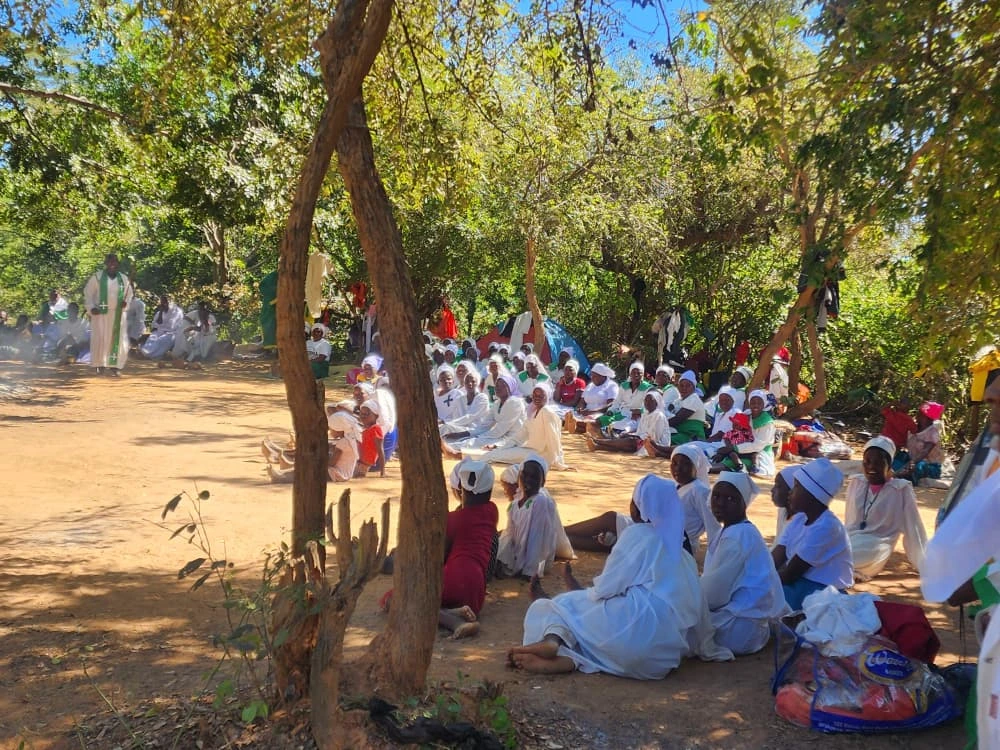
The SASA! Faith programme, implemented by the Union for the Development of Apostolic Churches in Zimbabwe, Africa (UDACIZA) under the Irish Civil Society Partnership (ICSP), seeks to prevent gender-based violence (GBV) by transforming harmful social norms within faith communities.
Recognising the influential role of religious leaders, the programme engages them in critical reflection on gender equality, the responsible use of power and women's participation in leadership. Through dialogue and awareness-raising, the programme encourages faith communities to create more inclusive leadership structures that uphold the dignity and rights of both women and men.
Kunzwana KwaVatendi is an Apostolic Church founded in 2015 in Bikita District, Masvingo Province, with an initial membership of approximately 15 congregants. Like many Apostolic churches, it was guided by doctrines that excluded women from meaningful leadership positions and prohibited them from preaching during regular church services attended by men.
These practices were supported by interpretations of biblical passages such as 1 Timothy 2:12–13, which were used to justify male-only leadership. Women could only preach or lead during women's fellowship meetings and were excluded from church executive meetings where key decisions were made.
Some female congregants increasingly questioned these practices, particularly those that compromised their dignity. For example, women were expected to confess personal sins to male church leaders, while no equivalent expectation existed for men to confess to female leaders. Many women felt vulnerable and uncomfortable, believing that the church applied different standards to women and men.
As part of the SASA! Faith programme, Bishop Mukanganwi of Kunzwana KwaVatendi attended an awareness-raising meeting on GBV prevention and women's participation in leadership. The meeting brought together community leaders and duty bearers to discuss the impact of harmful gender norms and the importance of creating environments where women can participate fully in leadership and decision-making.
During the discussions, Bishop Mukanganwi reflected on leadership practices within his own church and recognised that women were systematically excluded from positions of influence despite their commitment and capabilities.
Inspired by the discussions, he returned to his congregation and initiated conversations with church leaders and members on the need to promote gender-equitable leadership while preserving the church's core values.
Following these internal discussions, Bishop Mukanganwi proposed the appointment of a female pastor to strengthen women's representation within the church leadership. He explained that appointing a woman would not only promote inclusive leadership but would also provide female congregants with someone they could approach comfortably on sensitive personal and spiritual matters, protecting their dignity and privacy.
The church agreed with the proposal and selected a woman to serve as pastor based on her integrity, confidence, literacy, preaching ability and respected standing within the congregation rather than on gender stereotypes.
This marked a significant shift from previous church practice and demonstrated that women were capable of serving effectively in senior leadership positions.
The newly appointed female pastor now preaches during church services, participates in executive meetings where key decisions are made, assigns responsibilities to church committee members and helps organise church programmes and events.
Her appointment has increased women's representation within church leadership and created a more inclusive environment where female congregants feel their concerns are better understood and represented.
The experience has also contributed to changing perceptions within the congregation about women's leadership. As the church has grown from approximately 15 members in 2015 to 68 congregants, women are increasingly recognised as capable leaders who can make meaningful contributions to the spiritual and organisational life of the church.
The appointment demonstrates how engaging religious leaders through respectful dialogue can lead to institutional changes that challenge long-standing gender norms.
Despite this progress, some church members continue to hold traditional beliefs that leadership should remain predominantly male. Continued dialogue is therefore needed to strengthen acceptance of women in leadership and ensure that future leadership appointments are based on competence, commitment and calling rather than gender.
Sustaining these gains will require ongoing engagement with church leaders and congregants to reinforce gender-equitable interpretations of scripture and promote inclusive decision-making.
Kunzwana KwaVatendi Church hopes to continue building a leadership culture that values the gifts and abilities of both women and men. Church leaders aspire to ensure that future leadership positions are awarded on merit, character and capability rather than gender, while creating additional opportunities for women to participate in preaching, mentoring and church governance.
The experience demonstrates that faith communities can preserve their spiritual identity while embracing more inclusive leadership, providing an example for other Apostolic churches seeking to promote dignity, equality and shared leadership.
Recognising the influential role of religious leaders, the programme engages them in critical reflection on gender equality, the responsible use of power and women's participation in leadership. Through dialogue and awareness-raising, the programme encourages faith communities to create more inclusive leadership structures that uphold the dignity and rights of both women and men.
Kunzwana KwaVatendi is an Apostolic Church founded in 2015 in Bikita District, Masvingo Province, with an initial membership of approximately 15 congregants. Like many Apostolic churches, it was guided by doctrines that excluded women from meaningful leadership positions and prohibited them from preaching during regular church services attended by men.
These practices were supported by interpretations of biblical passages such as 1 Timothy 2:12–13, which were used to justify male-only leadership. Women could only preach or lead during women's fellowship meetings and were excluded from church executive meetings where key decisions were made.
Some female congregants increasingly questioned these practices, particularly those that compromised their dignity. For example, women were expected to confess personal sins to male church leaders, while no equivalent expectation existed for men to confess to female leaders. Many women felt vulnerable and uncomfortable, believing that the church applied different standards to women and men.
As part of the SASA! Faith programme, Bishop Mukanganwi of Kunzwana KwaVatendi attended an awareness-raising meeting on GBV prevention and women's participation in leadership. The meeting brought together community leaders and duty bearers to discuss the impact of harmful gender norms and the importance of creating environments where women can participate fully in leadership and decision-making.
During the discussions, Bishop Mukanganwi reflected on leadership practices within his own church and recognised that women were systematically excluded from positions of influence despite their commitment and capabilities.
Inspired by the discussions, he returned to his congregation and initiated conversations with church leaders and members on the need to promote gender-equitable leadership while preserving the church's core values.
Following these internal discussions, Bishop Mukanganwi proposed the appointment of a female pastor to strengthen women's representation within the church leadership. He explained that appointing a woman would not only promote inclusive leadership but would also provide female congregants with someone they could approach comfortably on sensitive personal and spiritual matters, protecting their dignity and privacy.
The church agreed with the proposal and selected a woman to serve as pastor based on her integrity, confidence, literacy, preaching ability and respected standing within the congregation rather than on gender stereotypes.
This marked a significant shift from previous church practice and demonstrated that women were capable of serving effectively in senior leadership positions.
The newly appointed female pastor now preaches during church services, participates in executive meetings where key decisions are made, assigns responsibilities to church committee members and helps organise church programmes and events.
Her appointment has increased women's representation within church leadership and created a more inclusive environment where female congregants feel their concerns are better understood and represented.
The experience has also contributed to changing perceptions within the congregation about women's leadership. As the church has grown from approximately 15 members in 2015 to 68 congregants, women are increasingly recognised as capable leaders who can make meaningful contributions to the spiritual and organisational life of the church.
The appointment demonstrates how engaging religious leaders through respectful dialogue can lead to institutional changes that challenge long-standing gender norms.
Despite this progress, some church members continue to hold traditional beliefs that leadership should remain predominantly male. Continued dialogue is therefore needed to strengthen acceptance of women in leadership and ensure that future leadership appointments are based on competence, commitment and calling rather than gender.
Sustaining these gains will require ongoing engagement with church leaders and congregants to reinforce gender-equitable interpretations of scripture and promote inclusive decision-making.
Kunzwana KwaVatendi Church hopes to continue building a leadership culture that values the gifts and abilities of both women and men. Church leaders aspire to ensure that future leadership positions are awarded on merit, character and capability rather than gender, while creating additional opportunities for women to participate in preaching, mentoring and church governance.
The experience demonstrates that faith communities can preserve their spiritual identity while embracing more inclusive leadership, providing an example for other Apostolic churches seeking to promote dignity, equality and shared leadership.
Tags:
Apostolic Churches
Women’s Leadership
Gender Equality
Related Posts
SASA! Faith and Women’s Leadership
May 1, 2026

UDACIZA Statement on the 2025/6 Rain Season in Zimbabwe
April 15, 2026